

How Orientation and Mobility Training Helps Blind Students Navigate the World Independently
What Is Orientation and Mobility Training?
Before diving deeper, it helps to accept what orientation and flexibility (O&M) preparation really involves in essence. While frequently noticed as a distinct concept, it integrates two different but carefully connected ability sets that allow dependable, liberated travel.
Together, these skills form the bedrock for guiding along route, often over water the planet without depending apparition—whether that wealth exciting confidently through a knowledgeable home or surveying completely new environments.
Definition of Orientation Skills
Orientation abilities concern the skill to comprehend where you are go ahead of and by what method you have connection with your surroundings. This contains construction insane maps, making landmarks, and utilizing audiovisual information—such as sound, touch, and smell—to stay informed about latest trends position and direction. For example, labeling the buzz of traffic to settle a avenue or counting steps to find a opening are all one introduction.
Definition of Mobility Skills
Mobility skills devote effort to something the tangible act of mobile carefully and efficiently from individual place to another. This includes methods like using a silvery rod, guiding along route, often over water stairway, crossing streets, and utilizing public transit service. Mobility preparation stresses coordination, organize, and the talent to put oneself in the place of another obstacles in actual time for action or event.
Difference Between Orientation and Mobility
While carefully accompanying, introduction and mobility do various acts. Orientation is about knowing place you are, when in fact maneuverability is about obtaining where you be going to go. Orientation builds geographical knowledge and decision-making, while flexibility converts that understanding into reliable activity. Both must work together for active liberated travel.
Who Needs O&M Training
O&M preparation is designed for things accompanying ocular degradations, including those the one are blind or have depressed concept. It can benefit people of all ages—from young infants education to move harmlessly in their surroundings to adults the one have currently knowledgeable vision misfortune and need to suit to new habits of guiding along route, often over water.
When Should Training Begin
Training should start as early as likely, exceptionally for children, to support enlightening achievements and build assurance from a young age. However, it’s never inappropriate to start. Adults who mislay concept later in existence can greatly benefit from O&M preparation to gain liberty and harmlessly re-engage accompanying their environment.
Why Orientation and Mobility Skills Are Essential
Gaining the ability to move through the world with confidence is more than a practical skill—it’s a turning point in how someone experiences daily life. Without reliable navigation skills, even simple tasks like going to school, commuting to work, or visiting a friend can feel overwhelming.
This is why orientation and mobility skills are not just helpful—they are essential. They shape how individuals with visual impairments interact with their environment, opening the door to independence, opportunity, and full participation in society.
Importance of Independent Movement
Independent movement allows individuals to make their own choices about where to go and when. Instead of relying on others for every trip, they can run errands, attend appointments, or simply enjoy a walk. This autonomy strengthens self-confidence and supports a more active, self-directed life.
Building Spatial Awareness
Orientation and mobility training helps develop a strong sense of spatial awareness, enabling individuals to understand distances, directions, and environmental layouts. Over time, this awareness builds mental maps that make both familiar and unfamiliar spaces easier to navigate.
Enhancing Safety in Daily Life
Safety is a core benefit of O&M skills. Learning how to detect obstacles, judge traffic patterns, and use mobility aids effectively reduces the risk of accidents. With proper training, individuals can navigate complex environments more safely and respond to unexpected situations with confidence.
Supporting Education and Social Inclusion
Access to education and social activities often depends on the ability to travel independently. O&M skills make it easier to attend school, participate in community events, and engage with peers, fostering inclusion and equal opportunities in both academic and social settings.
Reducing Dependence on Others
Perhaps one of the most transformative impacts is the reduction in reliance on family members, caregivers, or friends. With strong orientation and mobility skills, individuals can take control of their daily routines, leading to greater dignity, privacy, and overall quality of life.
Core Components of Orientation and Mobility Training
To understand how orientation and mobility (O&M) training builds real-world independence, it’s helpful to break it down into its core components. Each element targets a specific skill area, and together they create a comprehensive system for safe and confident navigation.
Rather than teaching movement in isolation, O&M training develops a combination of awareness, understanding, and decision-making. These components work together to help individuals interpret their environment and respond effectively in any situation.
Sensory Awareness Development
This component focuses on strengthening the use of non-visual senses—such as hearing, touch, smell, and proprioception (body awareness). Individuals learn to identify environmental cues like echoes, surface textures, or airflow changes, which help them detect obstacles, locate entrances, and stay oriented.
Spatial and Environmental Understanding
O&M training builds the ability to understand how spaces are structured and organized. This includes recognizing layouts of rooms, streets, and public places, as well as understanding how different environments—like indoor vs. outdoor settings—affect navigation strategies.
Directional Concepts (Left, Right, Distance)
Clear understanding of directional concepts is essential for following routes and instructions. Training reinforces ideas like left and right, near and far, and estimating distance or steps. These concepts form the language of navigation and are critical for both independent travel and guided assistance.
Route Planning Skills
Route planning teaches individuals how to prepare for and execute a journey. This includes selecting the safest path, identifying landmarks, anticipating challenges, and remembering sequences of turns or stops. Over time, individuals learn to adapt routes based on changing conditions.
Problem-Solving in Navigation
Unexpected situations are part of everyday travel—missed turns, obstacles, or unfamiliar environments. O&M training develops problem-solving skills that allow individuals to assess situations, make decisions, and adjust their approach confidently, ensuring continued independence even when plans change.
Key Techniques Used in Mobility Training
Once foundational skills are in place, orientation and mobility (O&M) training introduces practical techniques that individuals can use in real-life situations. These techniques are designed to address everyday challenges—from navigating crowded areas to crossing busy streets safely.
Each method is taught through structured training and expert guidance, ensuring that individuals not only learn the technique but also understand when and how to apply it effectively. Over time, these techniques become second nature, supporting confident and independent travel.
Human Guide Technique
The human guide technique involves safely walking with a sighted person. Instead of being pulled or pushed, the individual lightly holds the guide’s arm, allowing them to follow natural body movements. This technique is especially useful in crowded or unfamiliar environments and ensures coordinated, comfortable movement.
Protective Techniques (Upper & Lower Body)
Protective techniques are used to shield the body from obstacles when a cane is not in use. The upper body technique involves raising the arm to protect the face and torso, while the lower body technique positions the arm downward to guard against hazards near the waist or legs. These methods are essential in tight or indoor spaces.
Long Cane Techniques
The long cane is one of the most widely used mobility tools. Training focuses on systematic cane movements—such as the two-point touch or constant contact technique—to detect obstacles, changes in surface, and drop-offs. Proper cane use improves safety, rhythm, and confidence while walking.
Shorelining and Trailing Methods
Shorelining and trailing involve using physical boundaries as guides, such as walls, curbs, or pathways. By lightly touching or staying parallel to these surfaces, individuals can maintain direction and locate key points like doorways or intersections without losing orientation.
Street Crossing Techniques
Street crossing is a critical skill that combines multiple abilities, including listening to traffic patterns, aligning correctly, and timing movement. O&M training teaches individuals how to analyze intersections, recognize auditory cues, and cross streets safely, even in complex urban environments.
Tools and Devices Used in Orientation and Mobility
As orientation and mobility (O&M) skills develop, the right tools can significantly enhance how individuals navigate their environment. These tools are not replacements for training but powerful extensions of it—helping translate awareness and technique into smoother, safer travel.
With structured training and expert guidance, individuals learn how to choose and use the tools that best fit their needs, lifestyle, and level of vision. From simple tactile aids to advanced digital solutions, each device plays a role in supporting independence and confidence.
White Cane and Its Types
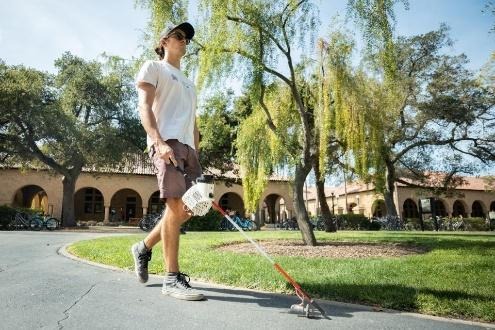
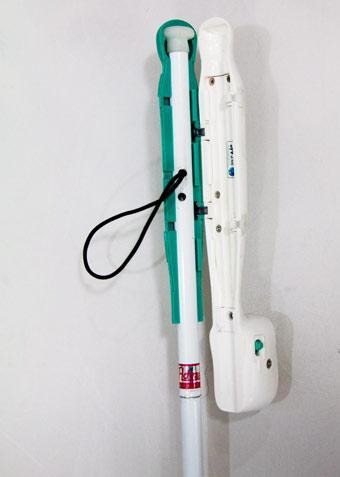
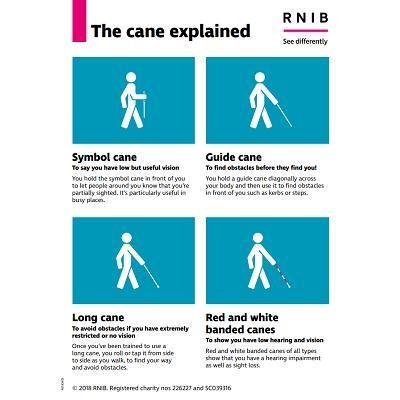
The white cane is the most recognized mobility aid. It helps detect obstacles, identify changes in terrain, and signal visual impairment to others. There are different types of canes, including:
- Long canes for navigation and obstacle detection
- Support canes for added physical stability
- Symbol canes used primarily to indicate low vision
Each type serves a specific purpose and is selected based on individual needs and mobility goals.
Smart Canes and GPS Devices
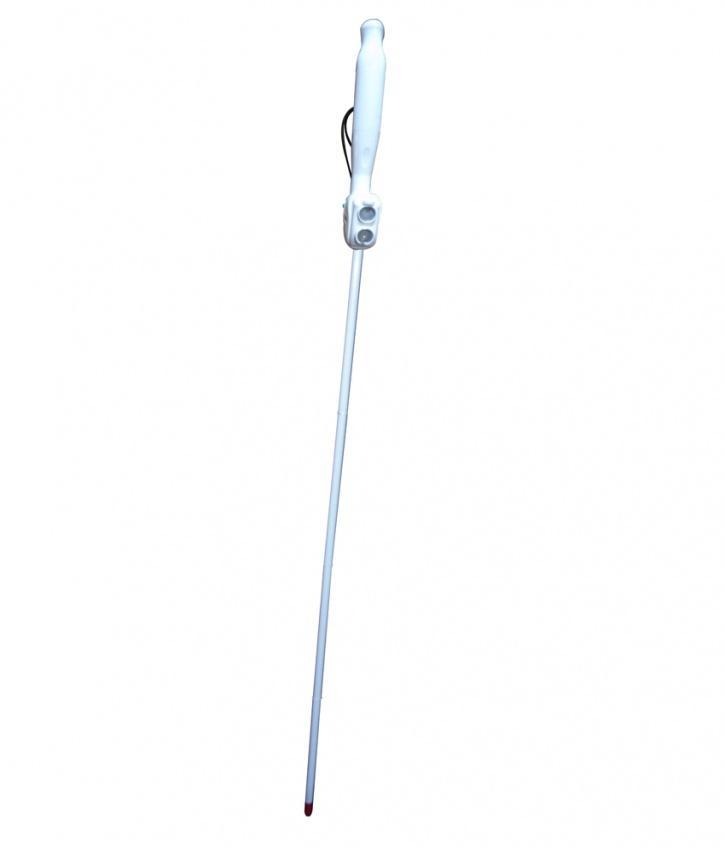
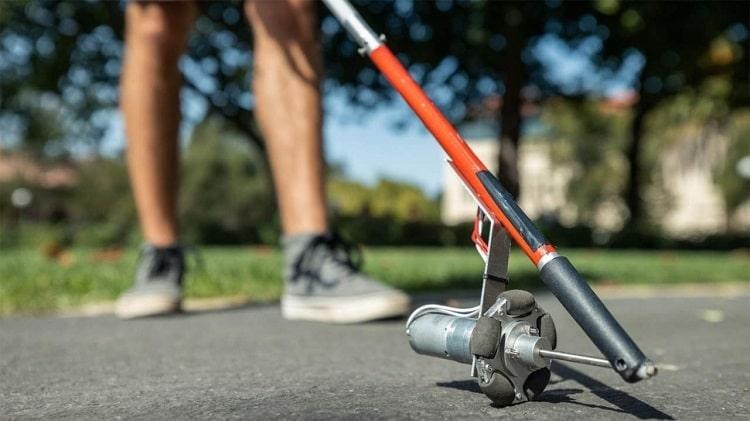
Smart canes and GPS-based devices combine traditional mobility tools with technology. Features may include obstacle detection sensors, vibration alerts, and real-time navigation guidance. These tools are particularly useful in unfamiliar areas, offering additional layers of information and safety.
Tactile Maps and Models
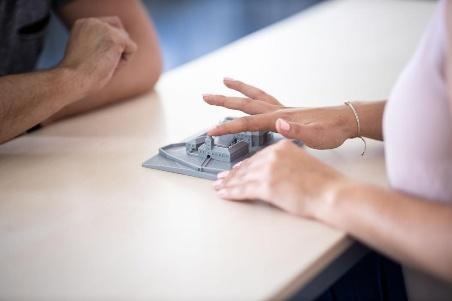
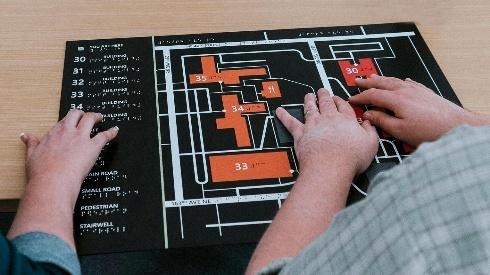
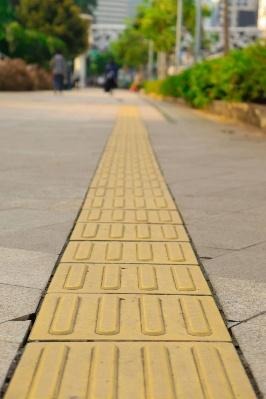
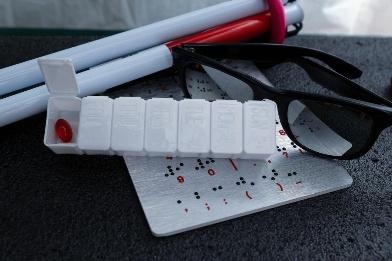
Tactile maps and models provide a hands-on way to understand spatial layouts. Using raised lines, textures, and sometimes Braille labels, they allow individuals to explore environments like buildings, campuses, or neighborhoods before physically navigating them.
Audio Navigation Apps
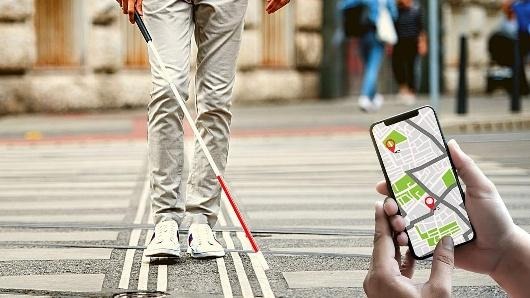
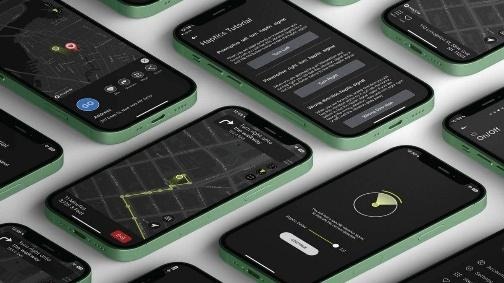
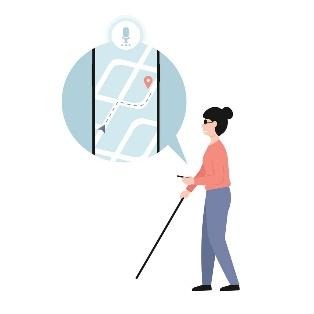
Smartphone-based audio navigation apps offer voice-guided directions and real-time location updates. Designed with accessibility features, these apps integrate with screen readers to provide step-by-step guidance, helping users travel independently in both familiar and new locations.
Wearable Assistive Devices
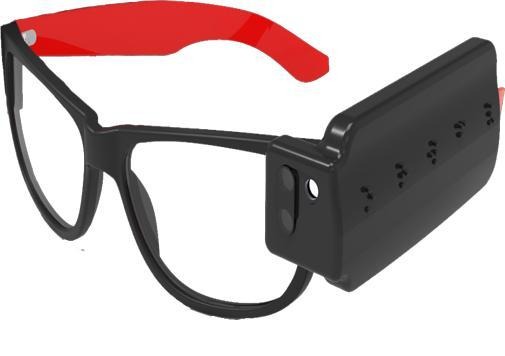
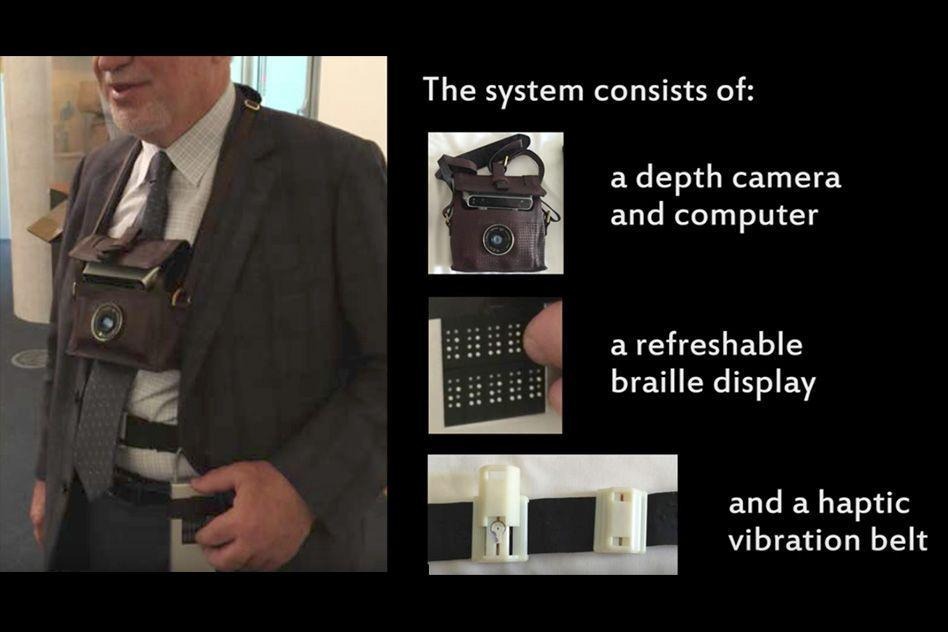
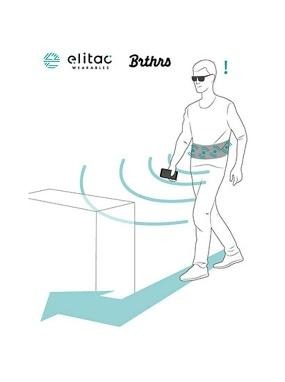
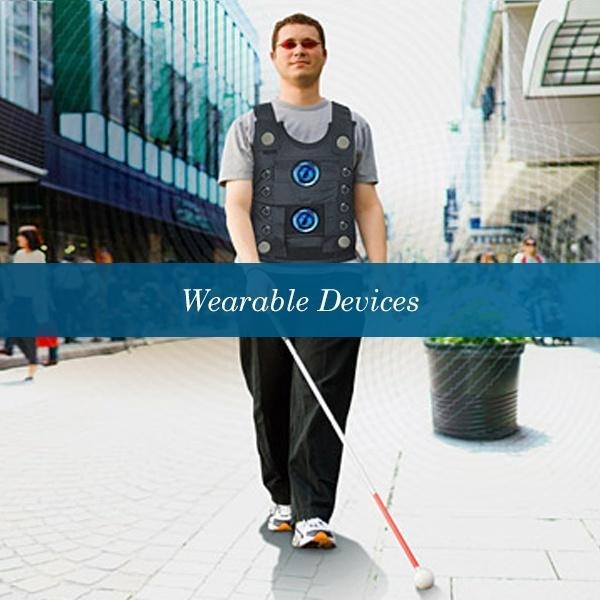
Wearable devices—such as smart glasses or haptic feedback systems—offer hands-free navigation support. These devices can detect obstacles, provide directional cues through sound or vibration, and enhance environmental awareness, making them a growing area of innovation in mobility support.
Benefits of Orientation and Mobility Training
When orientation and mobility (O&M) training is applied consistently, its impact extends far beyond learning how to move from one place to another. It reshapes how individuals engage with their surroundings, approach challenges, and participate in everyday life.
By combining structured learning with real-world practice and expert guidance, O&M training creates meaningful, lasting change—supporting not just mobility, but overall well-being and independence.
Increased Independence in Daily Activities
O&M training enables individuals to manage everyday tasks on their own, from commuting and shopping to attending appointments. This independence reduces reliance on others and allows for greater control over daily routines.
Improved Confidence and Self-Esteem
As navigation skills improve, so does self-confidence. Successfully moving through different environments builds a sense of achievement and self-reliance, which positively influences overall self-esteem.
Better Participation in Education
For students, O&M skills are essential for accessing classrooms, campus facilities, and learning opportunities. With the ability to navigate school environments independently, learners can participate more fully in academic and extracurricular activities.
Safer Navigation in Public Spaces
Safety is a key outcome of effective training. Individuals learn to identify hazards, interpret environmental cues, and make informed decisions, leading to safer travel in busy streets, public transport systems, and unfamiliar areas.
Enhanced Quality of Life
Ultimately, O&M training contributes to a higher quality of life. With greater independence, confidence, and access to opportunities, individuals can engage more actively in social, professional, and recreational experiences.
How Schools and Institutions Deliver O&M Training
Delivering effective orientation and mobility (O&M) training requires more than teaching techniques—it involves a coordinated, well-structured approach that blends theory with hands-on experience. Schools and institutions play a crucial role in creating supportive environments where individuals can safely build and apply these essential skills.
Through structured training programs and expert guidance, institutions ensure that learners progress at the right pace while gaining confidence in real-world navigation. The goal is not just skill acquisition, but long-term independence and safety.
Role of Certified Mobility Instructors
Certified mobility instructors are at the heart of O&M training. These professionals assess each learner’s abilities, needs, and goals, then design personalized training plans. Their expertise ensures that techniques are taught correctly, safely, and in a way that builds long-term confidence.
Structured Training Programs
Institutions follow organized, step-by-step training programs that move from basic concepts to advanced navigation skills. Learners begin with foundational awareness and gradually progress to more complex tasks like route planning and independent travel in busy environments.
Practical Outdoor Training Sessions
Real-world practice is essential. Outdoor training sessions allow learners to apply their skills in actual environments, such as streets, public transport areas, and community spaces. This hands-on experience helps bridge the gap between theory and everyday use.
Integration with School Curriculum
In many educational settings, O&M training is integrated into the broader curriculum. This ensures that students can apply mobility skills alongside academic learning, making it easier to navigate classrooms, campuses, and school-related activities independently.
Use of Real-Life Simulations
Before entering complex environments, learners often practice through simulated scenarios. These controlled settings replicate real-life challenges—like crossing streets or navigating crowded areas—allowing individuals to build confidence and problem-solving skills in a safe and supportive space.
Challenges Faced During Mobility Training
While orientation and mobility (O&M) training offers life-changing benefits, the learning process is not without its challenges. Adapting to new ways of navigating the world—especially without relying on vision—can feel overwhelming at first and requires patience, persistence, and consistent support.
Recognizing these challenges is an important part of effective training. With structured programs and expert guidance, instructors can address these barriers and help learners gradually build confidence and competence.
Fear and Anxiety in Students
For many learners, especially those new to vision loss, stepping into unfamiliar environments can trigger fear and anxiety. Concerns about safety, making mistakes, or losing orientation may slow progress. Supportive instruction and gradual exposure help reduce these fears over time.
Environmental Barriers (Traffic, Infrastructure)
Busy streets, uneven sidewalks, poor signage, and inaccessible infrastructure can make navigation more difficult. Learners must develop strategies to adapt to unpredictable and sometimes unsafe environments, which can vary widely depending on location.
Lack of Awareness in Public Spaces
A lack of public understanding about visual impairment can create additional challenges. People may unintentionally obstruct pathways, fail to offer appropriate assistance, or misunderstand mobility aids, making it harder for individuals to move freely and confidently.
Limited Access to Training Resources
Not all individuals have equal access to qualified instructors, training programs, or assistive tools. This gap in resources can delay skill development and limit opportunities for independent travel, particularly in underserved areas.
Individual Learning Differences
Each learner progresses at their own pace. Factors such as age, degree of vision loss, prior experience, and cognitive or physical abilities can influence how quickly skills are acquired. Training must be flexible and personalized to accommodate these differences effectively.
Role of Parents and Teachers in Mobility Development
Orientation and mobility (O&M) training doesn’t stop when a formal session ends. The support system around the learner—especially parents and teachers—plays a crucial role in reinforcing skills and building confidence in everyday situations.
By working alongside trained professionals and maintaining consistency at home and in school, caregivers and educators help transform learned techniques into lifelong habits. Their involvement ensures that progress continues beyond structured lessons and becomes part of daily life.
Encouraging Independence at Home
Parents can support mobility development by encouraging children to perform daily tasks independently, such as moving around the house, organizing personal items, or helping with simple chores. Small, consistent opportunities to move independently build confidence over time.
Reinforcing Training Skills Daily
Skills learned during O&M sessions need regular practice. Teachers and parents can reinforce techniques like directional awareness, cane use, or route memory during everyday routines—whether in classrooms, hallways, or at home.
Providing Emotional Support
Learning to navigate without vision can be challenging. Offering patience, reassurance, and encouragement helps reduce anxiety and motivates learners to keep trying, even when they face difficulties.
Coordinating with Mobility Instructors
Close communication with certified mobility instructors ensures consistency. Parents and teachers can align their support strategies with professional guidance, helping learners practice the same techniques correctly across different environments.
Creating Safe Practice Environments
Both home and school can be adapted into safe spaces for practice. This might include keeping pathways clear, introducing controlled challenges, or setting up familiar routes where learners can build skills before transitioning to more complex environments.
Real-Life Impact: Building Confidence and Independence
The true value of orientation and mobility (O&M) training becomes most visible in everyday life. As individuals begin to apply their skills beyond structured sessions, small achievements—like navigating a familiar route or completing a task independently—quickly add up to meaningful, lasting change.
Over time, these experiences reshape how individuals see themselves and their capabilities. With growing confidence and independence, they are better equipped to engage fully in personal, academic, and professional aspects of life.
Improved Daily Living Skills
O&M training strengthens the ability to handle everyday activities independently, such as moving around the home, traveling to nearby locations, or managing personal routines. These improvements make daily life more efficient and less dependent on assistance.
Increased Social Participation
With greater confidence in mobility, individuals are more likely to engage in social interactions and community activities. Whether visiting friends, attending events, or participating in group settings, mobility skills help reduce isolation and encourage connection.
Academic Growth Through Independence
Students who can navigate their school environment independently are better positioned to focus on learning rather than logistical challenges. This independence supports active participation in classes, access to resources, and overall academic success.
Career Readiness and Opportunities
Mobility skills are essential for entering and sustaining employment. The ability to commute, navigate workplaces, and adapt to new environments increases job readiness and opens up a wider range of career opportunities.
Long-Term Life Skills Development
Beyond immediate benefits, O&M training fosters lifelong skills such as problem-solving, decision-making, and adaptability. These abilities support independence across all stages of life, contributing to long-term personal growth and self-sufficiency.
Safety Tips for Blind Students Navigating Independently
As blind students begin to navigate independently, safety becomes a top priority. While orientation and mobility (O&M) training builds the skills needed for confident travel, applying those skills thoughtfully in real-world situations is essential for reducing risks.
Developing safe habits early—and reinforcing them consistently—helps students move with greater assurance. With the right strategies in place, independent navigation becomes not only possible but reliable and secure.
- Always use mobility aids consistently
Whether it’s a white cane or a smart device, using mobility aids regularly ensures continuous awareness of surroundings and helps detect obstacles before they become hazards. - Learn familiar routes before exploring new ones
Building confidence starts with mastering known paths. Students should practice and memorize familiar routes—such as home to school—before attempting unfamiliar areas. - Stay alert to environmental sounds
Sounds provide critical information about surroundings. Paying attention to traffic flow, footsteps, echoes, and other auditory cues helps maintain orientation and anticipate potential risks. - Avoid high-risk areas without assistance
Busy intersections, poorly maintained pathways, or unfamiliar crowded spaces can be challenging. It’s important to seek assistance or guidance when navigating high-risk environments. - Practice emergency response strategies
Knowing what to do in unexpected situations—such as getting lost or encountering danger—is vital. Students should learn and rehearse emergency responses, including asking for help, using communication devices, or retracing steps safely.
Future of Mobility Training with Technology
As technology continues to evolve, orientation and mobility (O&M) training is entering a new phase—one where digital tools enhance traditional techniques rather than replace them. These innovations are expanding what’s possible, making navigation more intuitive, responsive, and personalized for individuals with visual impairments.
With structured training and expert guidance, technology becomes a powerful ally—helping learners practice skills in safer ways, access real-time information, and navigate increasingly complex environments with greater ease.
Future of Mobility Training with Technology
AI-Based Navigation Tools
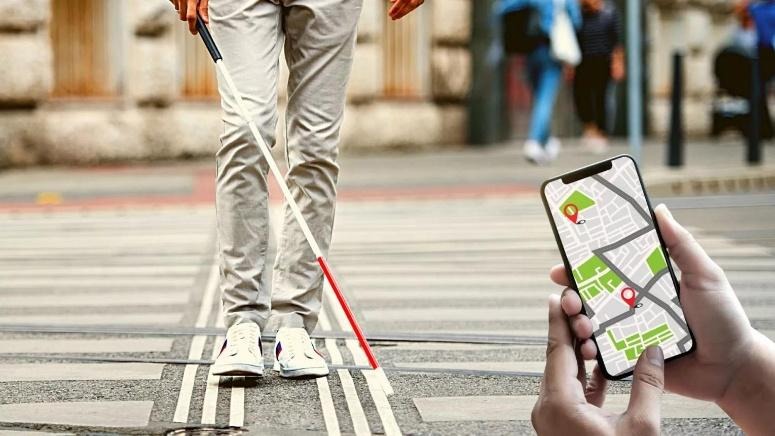
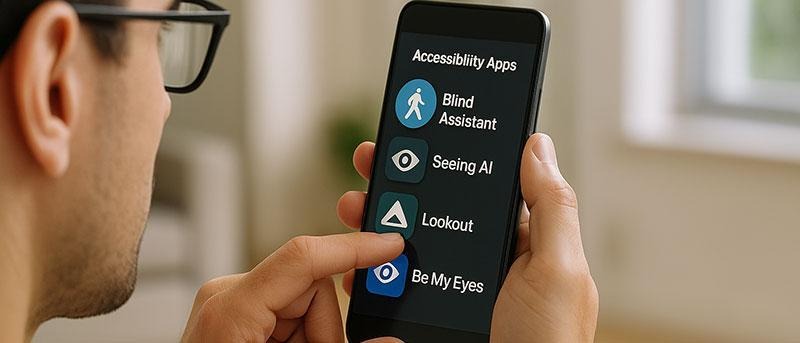
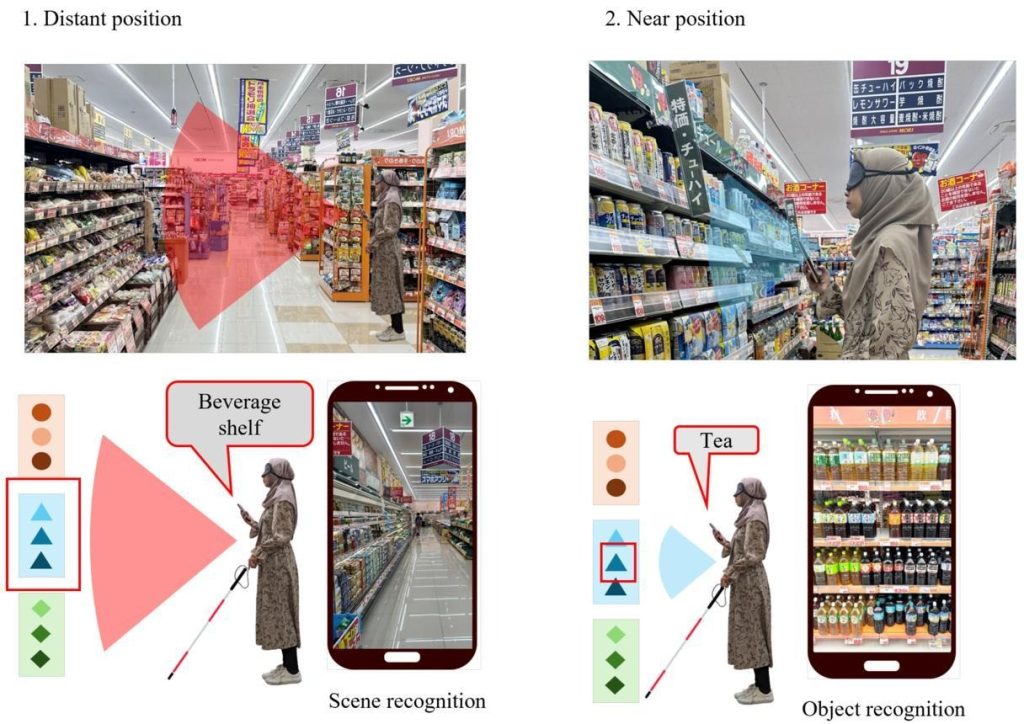
Artificial intelligence is transforming navigation by enabling tools that can recognize objects, read signs, and describe surroundings in real time. These AI-based systems help users make faster, more informed decisions while moving through dynamic environments.
Smart Wearables for Mobility
7
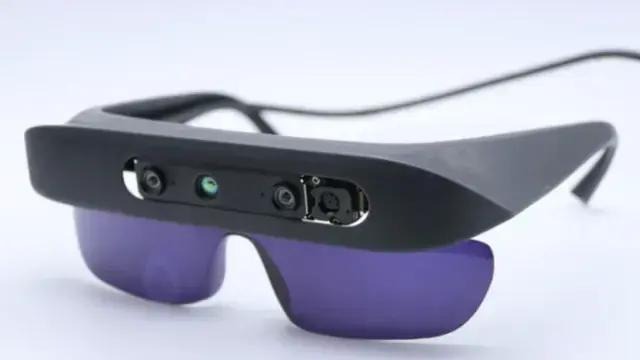
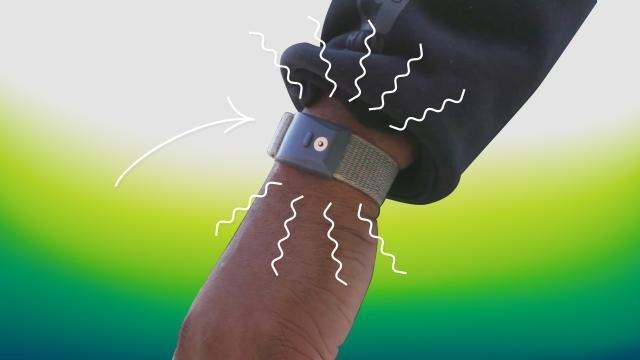
Smart wearables—such as connected glasses or haptic feedback devices—offer hands-free assistance. They can detect obstacles, provide directional cues, and deliver alerts through sound or vibration, enhancing awareness without interrupting movement.
Integration of GPS and Voice Assistance
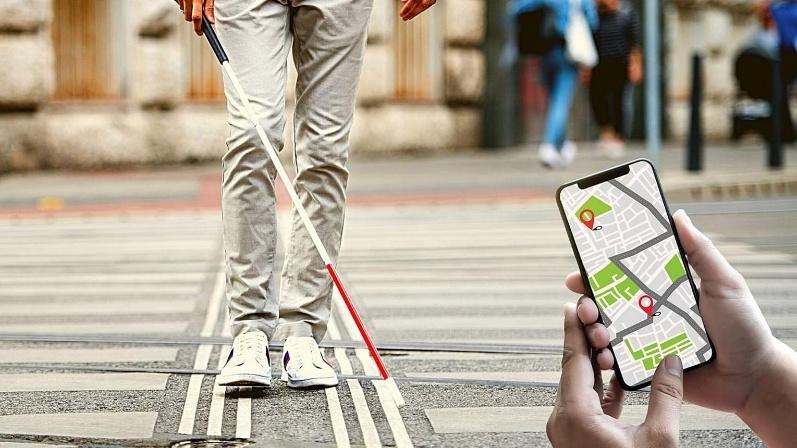
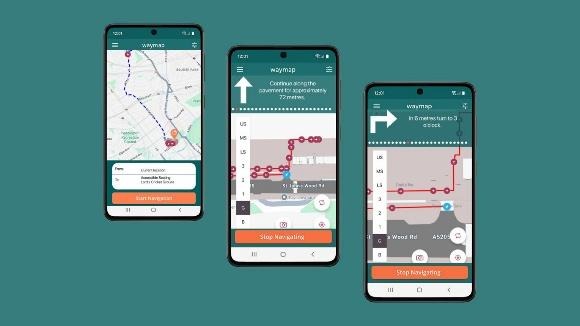
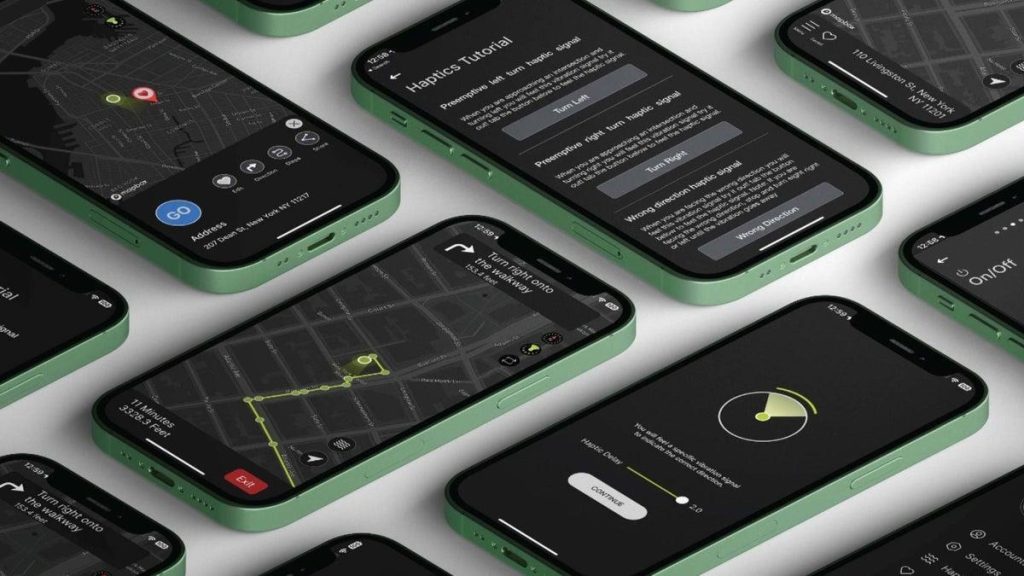
The integration of GPS with voice assistants allows for accurate, step-by-step navigation guidance. Users can receive spoken directions, location updates, and route adjustments in real time, making independent travel in unfamiliar areas more manageable.
Virtual Reality Training Simulations
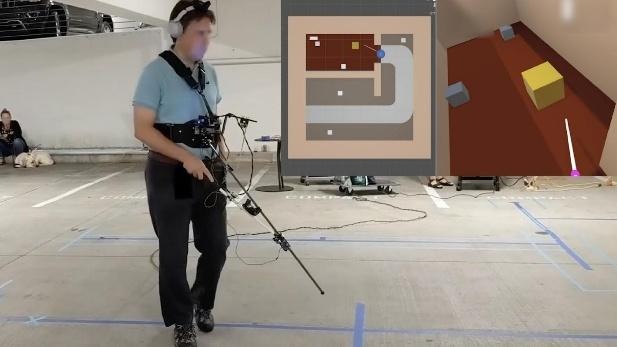
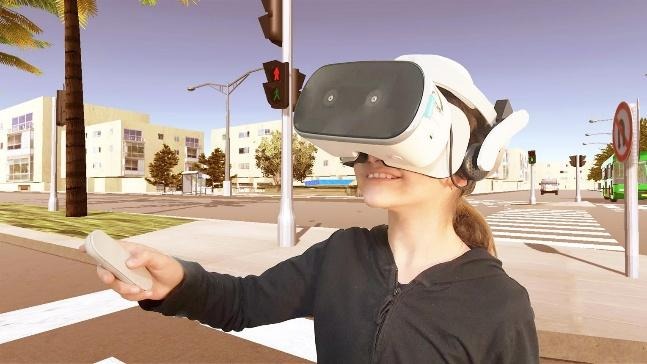

Virtual reality (VR) is emerging as a valuable training tool. It enables learners to practice navigation in simulated environments, such as busy streets or public spaces, without real-world risks. This helps build confidence before transitioning to actual settings.
Role of Assistive Tech Innovation
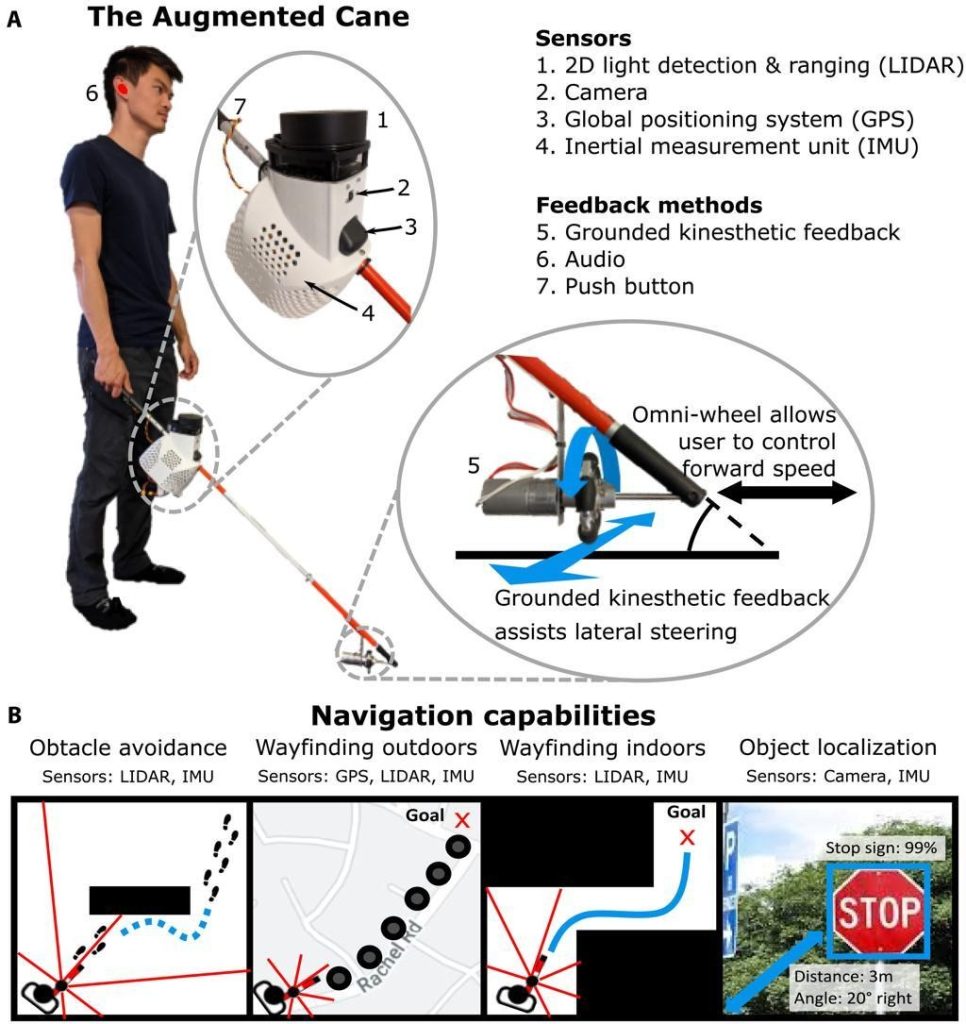
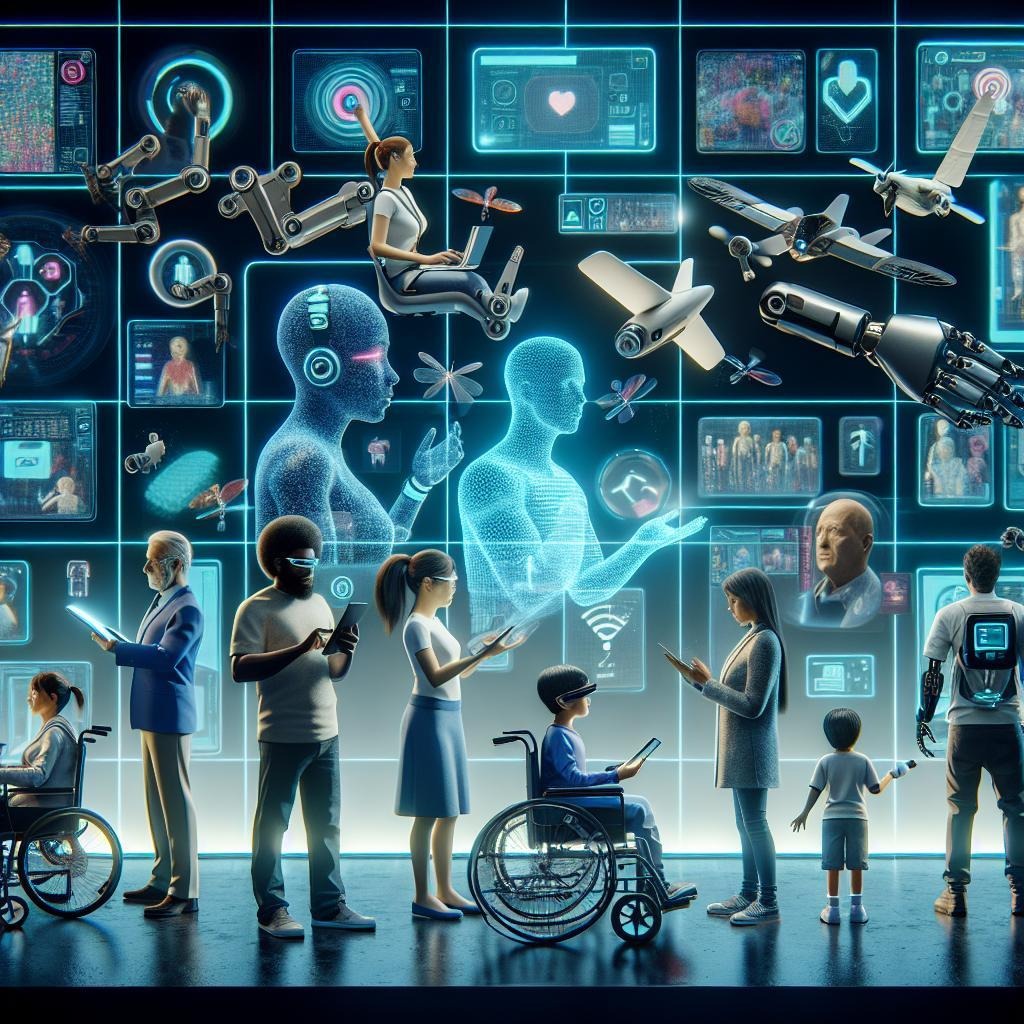
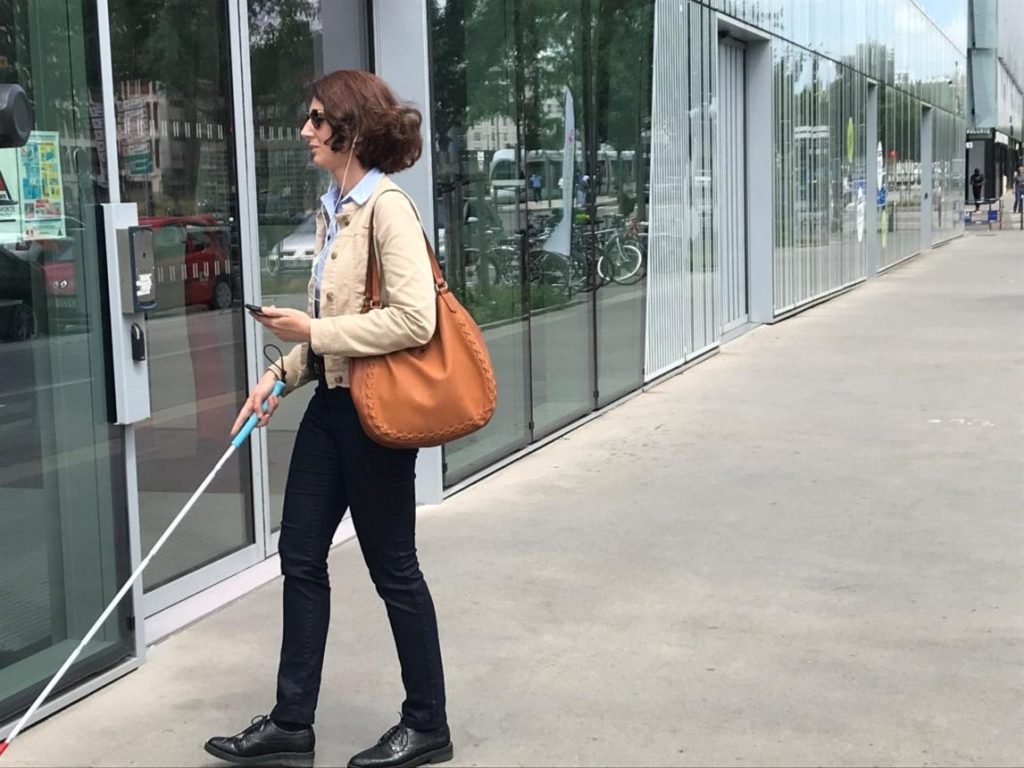
Ongoing innovation in assistive technology continues to push boundaries. From improved smart canes to integrated navigation ecosystems, these advancements aim to make mobility more seamless, accessible, and empowering, shaping a future where independence is increasingly achievable for all.
FAQs About Orientation and Mobility Training
As interest in orientation and mobility (O&M) training grows, many parents, educators, and learners have common questions about how it works and what to expect. Understanding these basics can make it easier to take the first step toward building safe and independent navigation skills.
Below are answers to some frequently asked questions that clarify key aspects of O&M training and its practical impact.
Q1. What is orientation and mobility training for blind students?
Orientation and mobility training teaches blind students how to understand their surroundings and move safely within them. It combines spatial awareness (orientation) with travel techniques (mobility), such as using a white cane, recognizing environmental cues, and navigating routes independently in both familiar and unfamiliar settings.
Q2. At what age should mobility training start?
Mobility training should begin as early as possible, especially during early childhood when foundational movement and awareness skills develop. However, it is never too late to start. Individuals who experience vision loss later in life can also benefit significantly from structured training and guided practice.
Q3. What tools are used in mobility training?
Common tools include white canes, tactile maps, audio navigation apps, and sometimes smart devices with GPS or sensors. These tools support navigation by helping detect obstacles, provide directions, and improve environmental understanding when used alongside proper training techniques.
Q4. Is mobility training difficult for beginners?
Mobility training can feel challenging at first, especially for beginners adjusting to new techniques and environments. However, with step-by-step instruction, consistent practice, and support from trained professionals, most learners gradually build confidence and find the process manageable and rewarding.
Q5. How long does it take to learn mobility skills?
The time required varies depending on factors like age, experience, and individual learning pace. Basic skills can be learned in a few weeks or months, while mastering advanced navigation may take longer. Continuous practice and real-world application are key to long-term success and independence.
Key Takeaways
After exploring the different aspects of orientation and mobility (O&M) training, it’s clear that it is much more than a set of techniques—it’s a pathway to independence and active participation in everyday life. From foundational skills to advanced navigation strategies, each element contributes to building confidence and capability.
Bringing these insights together helps reinforce why consistent training, the right support system, and practical application are all essential for long-term success.
- O&M training builds independence
It empowers individuals to move freely, make their own decisions, and manage daily activities without constant reliance on others. - It improves safety and confidence
With proper techniques and awareness, individuals can navigate environments more safely while developing strong self-confidence. - Requires structured learning and practice
Progress depends on step-by-step training, regular practice, and guidance from qualified professionals to ensure skills are applied correctly. - Support from family and schools is essential
Consistent encouragement and reinforcement from parents, teachers, and institutions help transform learned skills into lifelong habits.
Support Independence Through the Right Training and Care
Building independence for individuals with visual impairments is a journey that requires more than just learning techniques—it calls for the right combination of training, encouragement, and ongoing support. Orientation and mobility (O&M) training lays the foundation, but consistent care and guidance help turn those skills into confident, everyday actions.When individuals receive structured training alongside compassionate support from families, educators, and professionals, they are better equipped to navigate the world safely and independently. Investing in the right training and care not only improves mobility but also opens the door to greater opportunities, inclusion, and a more empowered life.